

The Art, Culture, and Craftsmanship of Indian Wood Carving
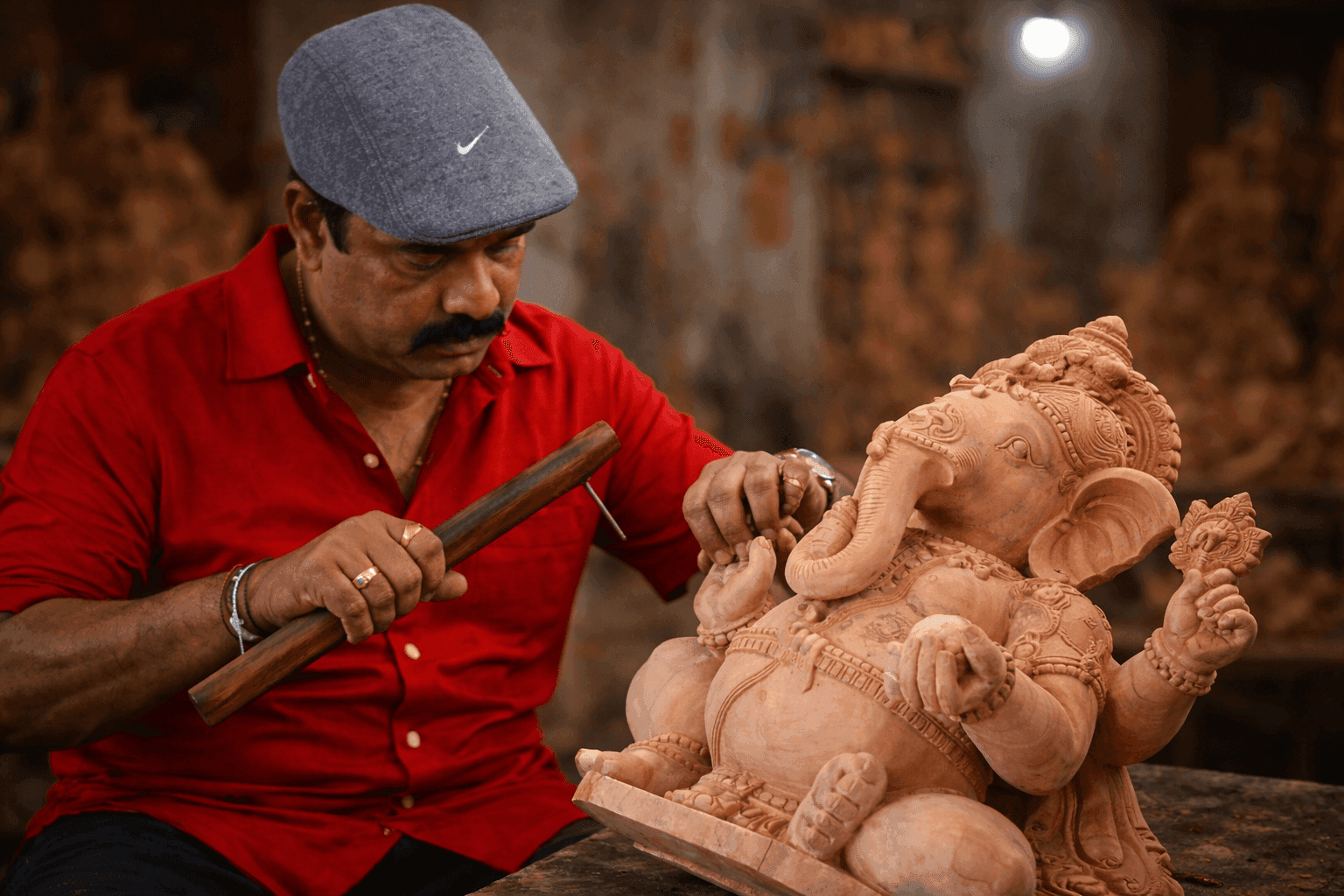
Indian wood carving is a timeless art form that reflects the country’s rich cultural heritage and skilled craftsmanship. Practiced for centuries across various regions, this traditional craft transforms natural wood into elegant works of art that showcase creativity, devotion, and precision.
The process of wood carving begins with selecting high-quality timber such as teak, rosewood, sandalwood, or locally sourced softwood. Skilled artisans then use traditional hand tools to carefully shape, carve, and refine each piece. Every design requires patience and expertise, making each creation unique and full of character.
Indian wood carving draws strong inspiration from temple architecture, mythology, nature, and everyday life. Common motifs include floral patterns, sacred symbols, deities, animals, and geometric designs. These elements are beautifully incorporated into furniture, doors, panels, wall décor, and sculptures, adding depth and elegance to living spaces.
Beyond aesthetics, wood carving represents sustainable and responsible craftsmanship. Many artisans follow eco-friendly practices and use responsibly sourced materials, ensuring harmony with nature. This craft also supports thousands of artisan families, preserving traditional skills and providing stable livelihoods across generations.
Over time, Indian wood carving has evolved by blending traditional techniques with modern designs. Today, handcrafted wooden products are widely used in homes, hotels, offices, and cultural spaces, offering warmth, authenticity, and timeless appeal.
By choosing handmade wood carving products, you help protect a valuable cultural tradition and empower skilled artisans. Each piece carries a story of dedication, heritage, and artistry—making it more than décor, but a lasting symbol of India’s creative legacy.