

Banantra – Crafting Sustainable Beauty from Banana Fibre
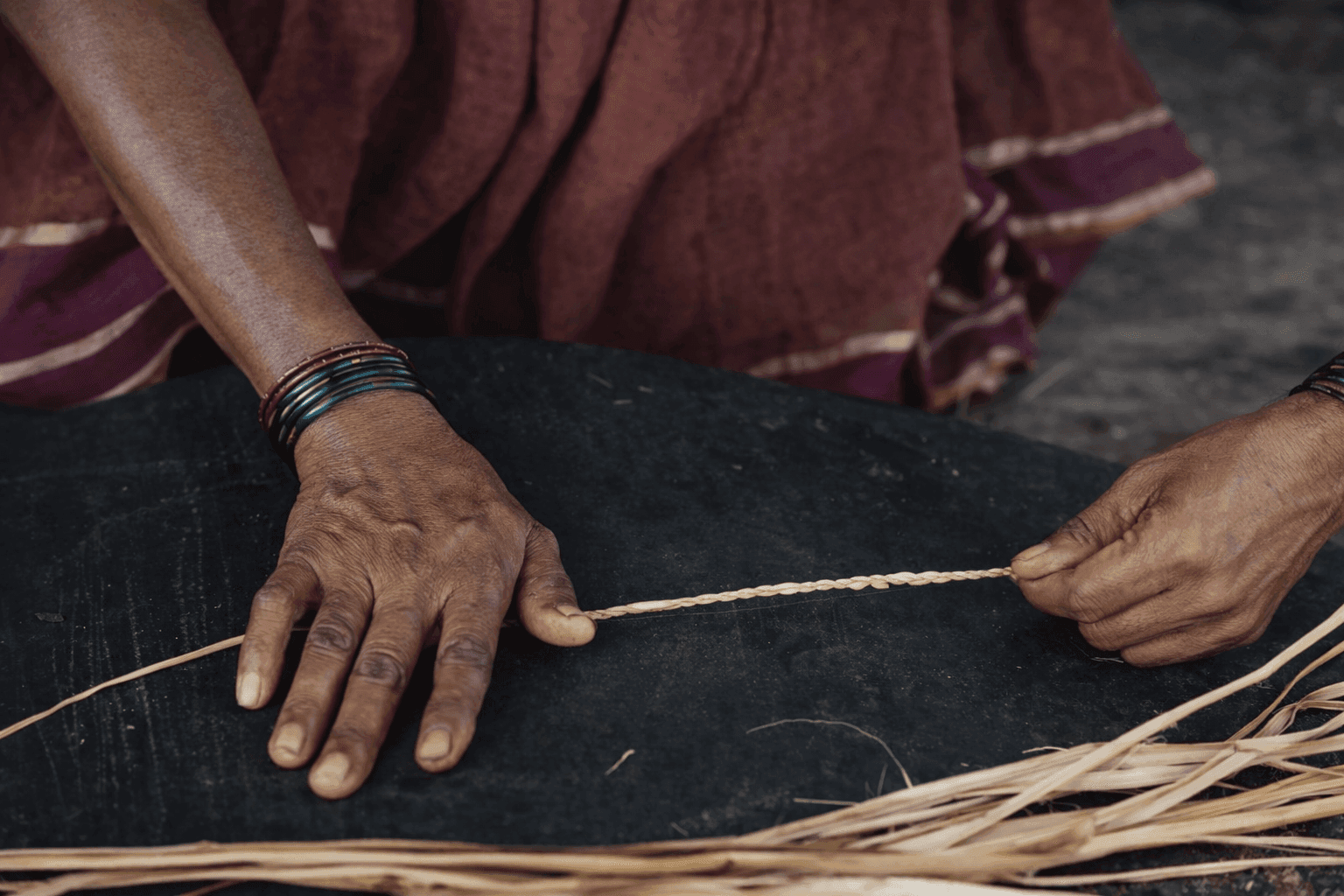
In the growing world of sustainable handicrafts, Banantra represents a beautiful transformation of nature’s resources into meaningful handmade products. Banantra refers to crafts made from banana fibre, a natural material extracted from the stem of the banana plant after the fruit has been harvested. What was once considered an agricultural by-product is now being recognized as a valuable eco-friendly resource that supports artisans and promotes sustainable living.
Banana plants are widely cultivated across India, and after the fruit is harvested, the pseudo-stem of the plant remains as agricultural waste. Instead of discarding it, artisans extract strong fibres from this stem. This makes banana fibre a renewable and environmentally responsible material.
The fibre extraction process involves scraping the banana stem to separate long natural strands. These fibres are then washed, dried in sunlight, and softened, making them suitable for weaving and crafting. Once processed, the fibre can be spun into threads and used for weaving, crocheting, and other craft techniques.
Banana fibre is valued for its strength, durability, and natural texture. Depending on the part of the stem and the method of processing, the fibre can range from coarse to silky. It also has a natural lustre and absorbs dyes well, allowing artisans to create products in different colours and patterns.
These qualities make banana fibre an ideal material for handcrafted products that are both functional and visually appealing.
The creation of Banantra products is a meticulous process that combines traditional knowledge with simple tools and techniques. Artisans begin by extracting and drying the fibres. The fibres are then twisted into ropes or threads that can be used for crafting.
Using techniques such as braiding, weaving, crochet, and macramé, artisans shape the fibres into beautiful products. Tools like crochet needles, thread cutters, measuring tapes, and sewing needles help artisans assemble and finish these items carefully.
In some cases, looms and sewing machines are also used to produce woven mats, bags, and structured items with improved durability and finishing.
Banana fibre craftsmanship allows artisans to create a wide range of eco-friendly products that blend traditional techniques with modern design. Some popular products include:
Handbags and tote bags
Storage baskets and organizers
Table mats and coasters
Laptop sleeves and folders
Decorative wall pieces and lampshades
Fashion accessories and jewellery
These handcrafted products are increasingly popular among consumers who value sustainable and handmade goods.
One of the most important aspects of Banantra is its environmental value. Banana fibre is biodegradable, renewable, and sourced from agricultural waste, making it a sustainable alternative to synthetic materials. By using banana fibre, artisans help reduce farm waste while creating useful and beautiful products.
The craft also encourages responsible production and supports the global movement toward eco-conscious design and circular economies.
Beyond sustainability, Banantra plays a crucial role in supporting rural livelihoods. Training programs and workshops help artisans learn new techniques such as weaving, crochet, rope-making, and product finishing. These initiatives empower artisans with skills that allow them to create market-ready products and build sustainable sources of income.
In regions like Andhra Pradesh, banana fibre craft initiatives have already begun strengthening artisan communities by connecting traditional skills with contemporary design and market opportunities.
Banantra demonstrates how innovation and tradition can work together to create meaningful change. By transforming agricultural waste into elegant handcrafted products, this craft not only preserves traditional skills but also promotes sustainability and economic empowerment.
As awareness of eco-friendly materials continues to grow, Banantra has the potential to become an important part of the future of sustainable handicrafts—where nature, craftsmanship, and design come together in harmony.